Ride Income Calculator | Updated October 15, 2025
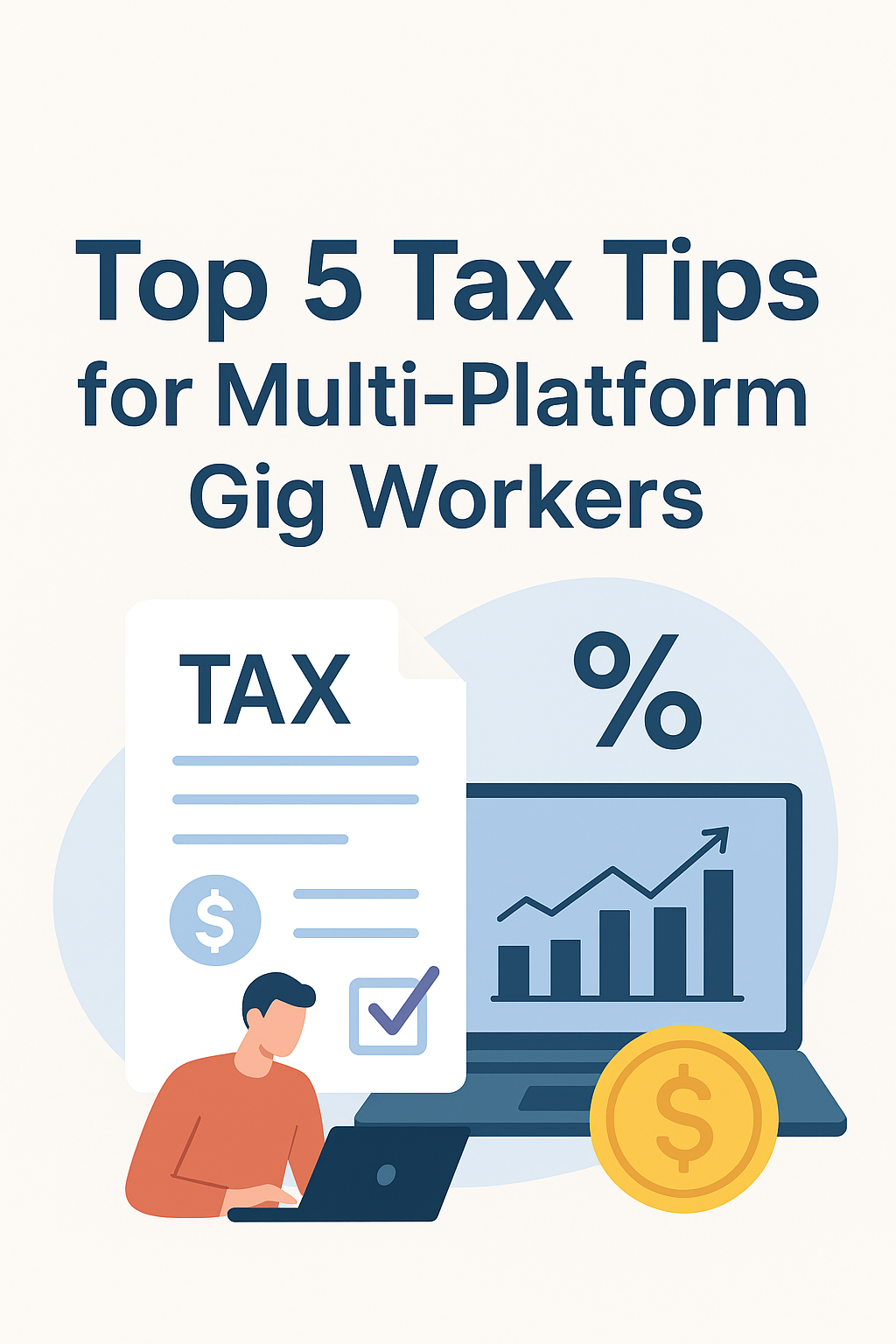
Navigating taxes as a multi-platform gig worker—whether you’re driving for Uber, delivering with DoorDash, freelancing on Fiverr, or selling on Etsy—requires strategic clarity. With new CRA reporting rules and platform disclosures now in effect, here are five forensic-grade tips to help you stay compliant, maximize deductions, and protect your income.
1. 📊 Sync Your Reported Income with Platform Disclosures
As of 2025, platforms like Uber, DoorDash, and Etsy must report your income directly to the CRA, including your SIN and personal details 1. Ensure your self-reported income matches what platforms disclose to avoid audit flags or reassessments.
2. 🧾 Track All Earnings—Even Without a T4A
Not all platforms issue T4A slips. If you didn’t receive one, you’re still required to report all income. Use spreadsheets, apps, or forensic logs to track gross earnings, platform fees, and net payouts across all services 1.
3. 🚗 Claim Legitimate Business Expenses
Gig workers can deduct a wide range of expenses, including:
- Vehicle costs (fuel, maintenance, insurance, lease)
- Mobile and internet bills
- Home office expenses
- Software subscriptions
- Advertising and marketing (e.g., website, social media)
- Professional development (courses, seminars) 1 2
Keep receipts and logs—CRA requires documentation for every claim.
4. 📅 File Form T2125 for Each Income Stream
Use Form T2125: Statement of Business or Professional Activities to report income and expenses for each gig type. If you freelance and drive rideshare, file separate entries to maintain forensic clarity 2 3.
5. 🛡️ Protect Yourself with Proactive Tax Planning
Set aside 25–30% of your income for taxes. Consider quarterly installments to avoid penalties. If your income crosses thresholds, register for GST/HST and file accordingly. Consult a tax professional if you’re scaling across platforms or earning internationally 2 3.
Final Word
Multi-platform gig work offers flexibility—but tax obligations are non-negotiable. By syncing disclosures, tracking income, and claiming eligible deductions, you can defend your earnings and stay audit-ready. For more forensic insights and outreach tools, explore our [Driver Strategy] and [Tax Tips] categories.